
Discovering Versailles: History, Splendor and Surprises of a Royal City

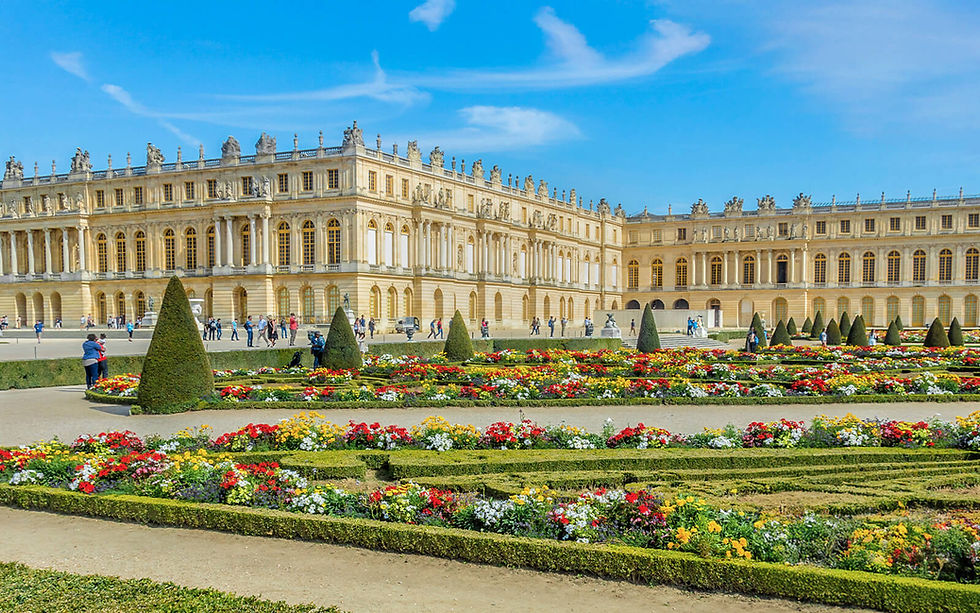
Located about twenty kilometers west of Paris, the city of Versailles immediately conjures up images of luxury, grandeur, and history. Yet, behind the gilded walls of the famous château, Versailles is much more than a mere vestige of the French monarchy. It's a vibrant city, rich in heritage, culture, and unique experiences. Today, I'm taking you on a complete immersion in Versailles, including must-see discoveries, little-known corners, and practical advice for making the most of this royal getaway.
A little history to better understand
Before becoming an absolute symbol of the absolute power of the French monarchy, Versailles was just a small village surrounded by forests. It was in the 17th century that Louis XIV, the Sun King, transformed this corner of the countryside into the nerve center of the kingdom. By 1682, the court and government had moved there, making Versailles the political capital of France for over 100 years.
Why did Louis XIV choose Versailles? Primarily to get away from Paris, which he considered unstable and threatening. He also wanted to create a place that reflected the divine power of the monarch. Mission accomplished: the Palace of Versailles became a masterpiece of classical architecture, a symbol of the centralization of power, and a model for many other European courts.
The Palace of Versailles: between splendor and architectural perfection
It's impossible to talk about Versailles without mentioning its palace. Listed as a UNESCO World Heritage Site since 1979, it attracts more than 7 million visitors each year.
The Hall of Mirrors
One of the jewels of the château is the famous Hall of Mirrors. 73 metres long, lined with 17 immense mirrors reflecting the light from the 17 windows overlooking the gardens, it embodies the prestige of the monarchy. It was here that the Treaty of Versailles, ending the First World War, was signed in 1919. A place steeped in history, where the echoes of absolute power can still be felt today.
The Royal Apartments
A tour of the State Apartments allows visitors to discover the private rooms of the king and queen, each richly decorated with gilding, allegorical paintings, and sumptuous furniture. The king's chamber, for example, was the heart of court life. The king's rising and going to bed were truly public ceremonies.
The gardens of Versailles: nature under control
Another inseparable masterpiece of the château: the gardens. Designed by André Le Nôtre, they extend over nearly 800 hectares. The geometric layout, the paths lined with precisely trimmed hedges, the ponds, the musical fountains, and the sculptures make them a perfect example of the French garden.
Not to be missed: the Grandes Eaux show, held between April and October. The fountains come to life to the rhythm of Baroque music, recreating the atmosphere of grandiose 17th-century celebrations.
The Trianon Estate and the Queen's Hamlet: another side of Versailles
To escape court protocol, kings, and especially queens, came to relax at the Trianon Estate. It includes the Grand Trianon (a pink marble palace), the Petit Trianon (given to Marie Antoinette by Louis XVI), and the famous Queen's Hamlet.
The Hamlet is particularly surprising: it's a mock-country village inspired by rural life, where Marie Antoinette played the shepherdess. It features rustic houses, a dairy, a mill, and a vegetable garden, all carefully stylized to appear "authentic." A fascinating paradox when you consider the French Revolution that followed a few years later.
Versailles is also a city
The château is a real eye-catcher, but the city of Versailles is also worth a visit. The historic center, with its cobbled streets, lively markets, cafés, bookstores, and antique shops, exudes authentic charm. A city with breathtaking charm, it's ideal for short-term rentals.
Notre-Dame Market
Located a stone's throw from the château, this is one of the most beautiful markets in France. Open several days a week, it's full of fresh produce, local specialties (don't miss the Yvelines goat cheese or the artisanal jams), and a friendly atmosphere. You'll encounter as many tourists as locals here.
Saint-Louis Cathedral and the Royal Chapel
Less well-known than the castle, these two churches are worth a visit. Saint-Louis Cathedral, built in the 18th century, features a beautiful classical façade. The castle's Royal Chapel impresses with its height, monumental organ, and biblically inspired frescoes.
Versailles in practice: tips for your visit
How to get there?
From Paris, Versailles is easily accessible:
By RER C, get off at "Versailles Château Rive Gauche" (a 10-minute walk from the château).
By SNCF train from Paris Montparnasse or Paris Saint-Lazare.
By car, but beware of parking, which can be difficult during peak season.
When to visit?
Spring (April to June) and autumn (September-October) are ideal: the gardens are magnificent and the crowds are manageable. Avoid July and August if possible, unless you're a very early riser.
Book your tickets
Consider purchasing your tickets in advance online, especially for the château and the Fountains Shows. There's also a pass that grants access to the entire estate for two days.
How did you stay there?
Consider booking your accommodation in advance, especially during the summer months. Availability may be limited and prices less attractive if you leave it too late. Renta'Life offers a wide selection of affordable accommodations in this area and elsewhere. There are apartments for families to choose from, as well as villas for families to enjoy together.
Versailles off the beaten track
For those who enjoy unusual walks, Versailles boasts several hidden treasures:
The King's Vegetable Garden, created by La Quintinie at the request of Louis XIV, is still in operation and offers fascinating guided tours.
The Royal Stables, now transformed into a Coach Museum and a riding school, reflect the importance given to equestrian art at court.
The Saint-Louis district, more discreet than Notre-Dame, offers a more intimate charm, with its quiet streets and private mansions.
Conclusion: Versailles, more than a castle
Versailles is, of course, a journey into the grandeur of the past, but it's also a vibrant, contemporary city that's surprisingly diverse. Whether you're visiting for the first time or returning, there's always something new to discover. Whether you're a history buff, a garden lover, curious about architecture, or simply looking for a beautiful getaway near Paris, Versailles welcomes you with elegance.


